 OneSSB
Blog / Defence / Iran Closes Strait of Hormuz: Global Implications for India
Iran Closes Strait of Hormuz: Global Implications for India
Iran's closure of the Strait of Hormuz has major implications for global oil supply and India's energy security, highlighting geopolitical tensions.
OneSSB Editorial · 21 April 2026 · 4 min read · 4 views
Key Takeaways
- Iran's closure of the Strait impacts global oil supply.
- India is directly affected due to its oil import dependence.
- Geopolitical tensions are slowing India's GCC expansion.
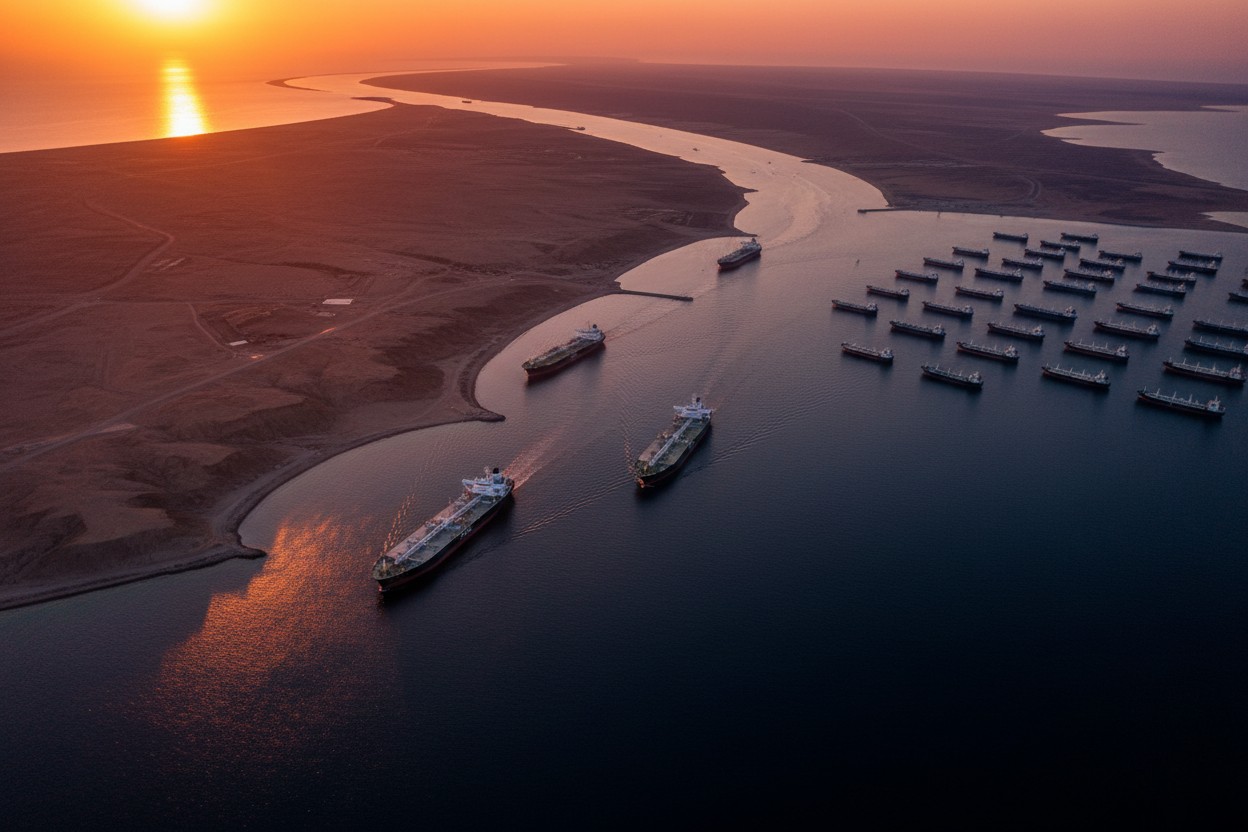
The ongoing geopolitical tensions in the Middle East have escalated dramatically with Iran's closure of the Strait of Hormuz, a strategic chokepoint for global oil shipments. On April 18, 2026, Iran's Revolutionary Guard Corps announced a complete closure of the strait in retaliation for a U.S. naval blockade of Iranian ports. This closure impacts approximately one-fifth of the world's seaborne oil supply, creating significant challenges for global shipping and raising the specter of military confrontation.
The implications of Iran's actions are profound. Hundreds of commercial tankers remain stranded, with crews facing direct military threats from Iranian forces, including gunfire and missile strikes. Shipping companies have described the situation as a logistical nightmare, exacerbated by the lack of insurance for vessels attempting to navigate these perilous waters. The Iranian regime has made it clear that the strait will remain closed until U.S. sanctions are lifted, framing their actions as a defense against piracy and maritime theft.
This closure has sent shockwaves through global energy markets, with oil prices likely to rise as supply decreases. The potential for conflict has heightened, with U.S. officials warning of military responses if Iran does not back down. President Trump stated that Iran “can’t blackmail” the U.S. with threats regarding maritime routes, indicating a willingness to escalate military actions if necessary.
India, which has historically been labeled a 'friendly nation' by Iran, is now in a precarious position. The Indian government has summoned the Iranian ambassador to express concerns over the shooting incidents involving Indian-flagged vessels, urging Iran to facilitate safe passage through the Strait of Hormuz. As India is heavily reliant on oil imports, particularly from the Gulf region, the closure poses a direct threat to its energy security.
“Iran’s position is unequivocal. The Islamic Revolutionary Guard Corps stated the strait would remain closed 'until the U.S. lifts its blockade on Iranian ports.'”
According to maritime analysts, the ripple effects of the closure are already being felt globally. The shipping industry is experiencing a crisis, with vessels being forced to reroute or return to port, leading to increased shipping costs and delays. This situation could lead to further economic instability, particularly for countries like India that depend on consistent oil supplies for economic growth.
In the context of India’s burgeoning Global Capability Centers (GCC) ecosystem, which relies on stable economic conditions, the geopolitical tensions are causing a slowdown in new technology centre openings. The number of GCCs established has dropped from 74 to 63 in the last quarter, with companies hesitating to invest amidst uncertainty. As reported, “Brownfield activity dropped 30% in Q1 2026 as macro uncertainty pushed existing GCCs to hold back on expansion.”
The closure of the Strait of Hormuz not only highlights Iran's strategic leverage over vital shipping lanes but also reveals the fragility of global supply chains in the face of geopolitical conflicts. The international community, particularly countries reliant on Middle Eastern oil, must reassess their energy security strategies and relationships with regional players like Iran. For India, diversifying energy sources and increasing domestic production could mitigate some risks associated with such geopolitical tensions.
Did You Know?
India’s GCC ecosystem is projected to grow at 18-22% annually, despite current geopolitical challenges impacting growth.
For defence aspirants, understanding the nuances of international relations and their implications on national security is crucial. This situation emphasizes the importance of strategic thinking in military and defence contexts, particularly regarding resource management and geopolitical awareness.
Key Takeaway for Aspirants
Why this matters for SSB/defence aspirants specifically: The current geopolitical landscape requires future leaders to be adept in international relations, strategic planning, and crisis management, vital skills for military service.
FAQ
What are the implications of Iran’s actions for global oil supply?
Iran’s closure of the Strait of Hormuz threatens to disrupt around one-fifth of the world’s oil supply, leading to potential price hikes.
How has India responded to the situation?
India has summoned the Iranian ambassador to address concerns over the safety of Indian-flagged vessels.
What impact does this have on India’s GCC ecosystem?
The geopolitical tensions have slowed down the establishment of new technology centers in India, affecting overall growth projections.
Sources
- https://www.naturalnews.com/2026-04-20-global-shipping-chaos-iran-shuts-hormuz.html
- https://economictimes.indiatimes.com/news/company/corporate-trends/agps-zerra-dc-bags-rs-1200-crore-loan-for-second-navi-mumbai-data-centre-project/articleshow/130383792.cms
- https://economictimes.indiatimes.com/tech/technology/iran-conflict-and-global-risks-slow-gcc-expansion-in-india/articleshow/130377558.cms

